Water Heating
Things to Consider Before Installing a Water Heater in a New Home
Practical considerations for capacity, installation, energy efficiency, water quality, safety, maintenance, and long-term performance.
Published · Updated
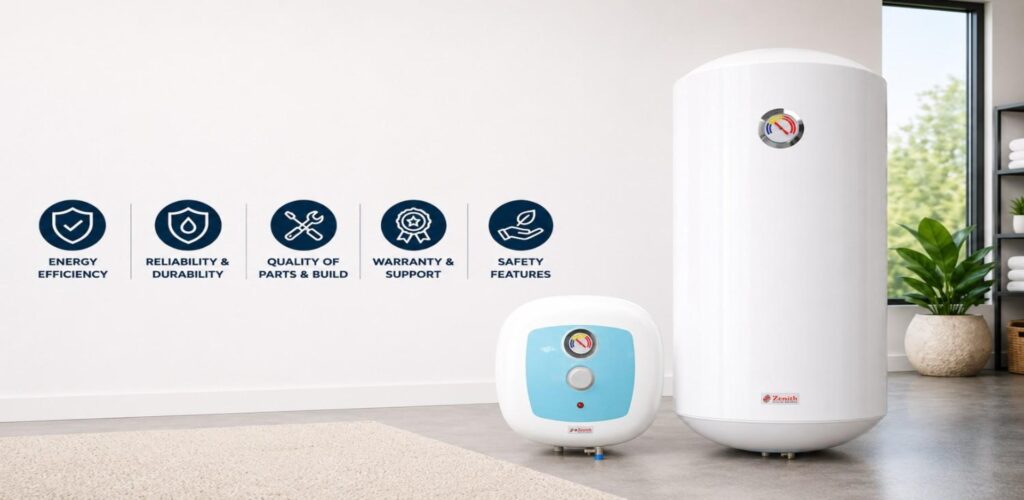
Article overview
Building a new home involves hundreds of decisions, from selecting flooring and lighting to planning plumbing and electrical systems. However, one essential feature often doesn’t receive much attention until a problem arises—the water heater. Many homeowners only begin thinking about their hot water system after experiencing issues like insufficient hot water, high electricity bills, or installation limitations that could have been avoided with better planning.
Although a water heater may seem like a simple household appliance, the way it’s selected and installed has a direct impact on comfort, energy efficiency, maintenance costs, and long-term reliability. Planning your hot water system during the construction phase gives you enough time to choose the right capacity, identify the most suitable installation location, and ensure your home’s plumbing and electrical systems are designed to support it properly.
Start with Your Household’s Hot Water Requirements
One of the most common mistakes homeowners make is choosing a water heater based only on price or tank size. In reality, the first step should be understanding your household’s daily hot water usage and future requirements.
Ask yourself a few practical questions:
- How many family members will be living in the house?
- How many bathrooms will be used every day?
- Will multiple showers or taps be used simultaneously?
- Is the family likely to grow in the coming years?
Choose the Right Type of Water Heater
Not every home requires the same type of water heater. The ideal solution depends on available space, household usage, energy goals, and long-term operating costs.
Some of the most common options include:
- Storage water heaters – Ideal for families with regular and consistent hot water usage.
- Tankless water heaters – Heat water only when required, making them compact and energy efficient.
- Solar water heating systems – Increasingly popular across the UAE due to abundant sunshine and growing sustainability initiatives.
- Heat pump water heaters – Highly efficient systems that use surrounding air to heat water while consuming significantly less electricity.
Plan the Installation Location Carefully
The installation location influences much more than appearance. It directly affects energy efficiency, plumbing performance, maintenance accessibility, and future repair costs.
Before deciding on a location, consider:
- Distance from bathrooms and kitchens
- Pipe routing
- Wall strength
- Ventilation requirements
- Future maintenance access
Check Your Home’s Plumbing System and Water Pressure
A water heater performs efficiently only when it’s connected to a properly designed plumbing system.
Before installation, make sure the following have been considered:
- Water pressure compatibility
- Correct pipe sizing
- Isolation valves
- Temperature and pressure relief valve installation
- Drainage arrangements
- Easy service accessibility
Consider Water Quality from the Beginning
Water quality has a significant influence on the lifespan and efficiency of any storage water heater.
Although most households in the UAE receive desalinated water, it still contains minerals that gradually form limescale inside heating elements and storage tanks. Over time, this mineral buildup reduces heating efficiency, increases electricity consumption, and accelerates wear on internal components.
- Glass-lined tanks
- High-quality enamel coatings
- Corrosion-resistant materials
- Magnesium anode rods
- Durable inner tank construction
Don’t Overlook Energy Efficiency
Water heating accounts for a noticeable portion of household electricity usage, making energy efficiency an important consideration when building a new home.
A well-designed, energy-efficient water heating system not only lowers monthly electricity bills but also improves overall system performance by reducing standby heat losses.
- Energy efficiency ratings
- Tank insulation quality
- Thermostat accuracy
- Heat retention performance
- Recovery rate
Think Beyond Installation Day
Installing the water heater is only the beginning. Like any household system, it requires periodic maintenance to continue performing efficiently.
When planning the installation, leave enough space for routine servicing tasks such as:
- Tank flushing
- Heating element replacement
- Magnesium anode rod inspection
- Pressure relief valve testing
- General maintenance
Buy Certified Products and Use Professional Installation
Even the highest-quality water heater can underperform if it isn’t installed correctly.
Professional installers evaluate structural support, plumbing layouts, electrical capacity, safety clearances, and installation requirements before mounting the unit. Proper installation also ensures that critical safety components such as pressure relief valves and thermostats function as intended.
Think About Future Living, Not Just Today’s Needs
A new home is a long-term investment, and your water heating system should be planned with future lifestyle changes in mind.
Before making a final decision, consider questions like:
- Will the family expand in the coming years?
- Could another bathroom be added later?
- Will future hot water demand increase?
- Is there enough space for maintenance and servicing?
- Can the unit be replaced easily when necessary?
Final Thoughts
Installing a water heater involves far more than simply choosing a model and mounting it on a wall. Capacity, plumbing design, installation location, water quality, energy efficiency, safety features, and maintenance accessibility all work together to determine how efficiently the system performs over the years.
For anyone planning to install a water heater in UAE, local conditions should always be part of the decision-making process. Hard water, high-rise plumbing systems, evolving energy standards, and modern residential layouts all influence the right choice. Taking these factors into account during the construction stage helps prevent unnecessary expenses, improves long-term reliability, and ensures a consistent supply of hot water for years to come.
Explore residential water heaters or ask Zenith for product and installation guidance.