

Winter in the UAE lasts longer than most people think. Running from late October through mid-April, it puts water heating systems under strain for nearly six months. Temperatures drop, demand goes up, and water heaters work harder—dealing with colder inlet water and longer operating cycles. This is when the gap between emergency replacement and planned upgrade becomes obvious, especially for anyone dealing with water heater replacement in Dubai during peak winter months.
Water heaters are typically forgotten by homeowners until they malfunction. Winter breakdowns have a way of happening at the worst times—early morning before work, late at night, right when the family needs hot water most. Suddenly, there’s scrambling, quick decisions made under pressure, and bills nobody planned for.
The difference between emergency replacement and planned upgrading teaches some valuable winter lessons for UAE households that count on reliable hot water year-round.
Why Winter Reveals Water Heater Weaknesses in the UAE
UAE winters might be mild compared to Europe or North America, but water heaters definitely feel the change. Incoming water temperatures drop noticeably from summer highs while hot water usage climbs—particularly during morning routines and evening dishwashing. Recovery times slow down because heaters have to work harder to raise water temperature by a bigger margin. Problems that stayed hidden during summer—sediment buildup, worn heating elements, failing thermostats—start showing themselves.
A system that barely kept up during summer often can’t handle winter demand. Service calls for water heater replacement in Dubai spike during the winter months, and this pattern repeats every year.
The Reality of Emergency Water Heater Replacement
Emergency replacement happens when the heater has already failed and hot water needs to come back immediately. Common triggers include sudden tank leaks, complete loss of hot water, electrical faults that keep tripping breakers, safety valve discharge, or rust-contaminated water coming from taps.
When this hits during winter, options narrow fast. Whatever equipment is available becomes the choice—whether it’s ideal or not. Decisions get made in hours just to restore hot water. Emergency call-out fees run higher than scheduled service. Installation gets rushed. There’s no time to properly evaluate whether the replacement matches household needs or check efficiency ratings.
Too often, water heater replacement in Dubai becomes something forced by circumstances rather than chosen strategically. The shortcuts taken under pressure create issues that surface later.
What a Planned Water Heater Upgrade Looks Like
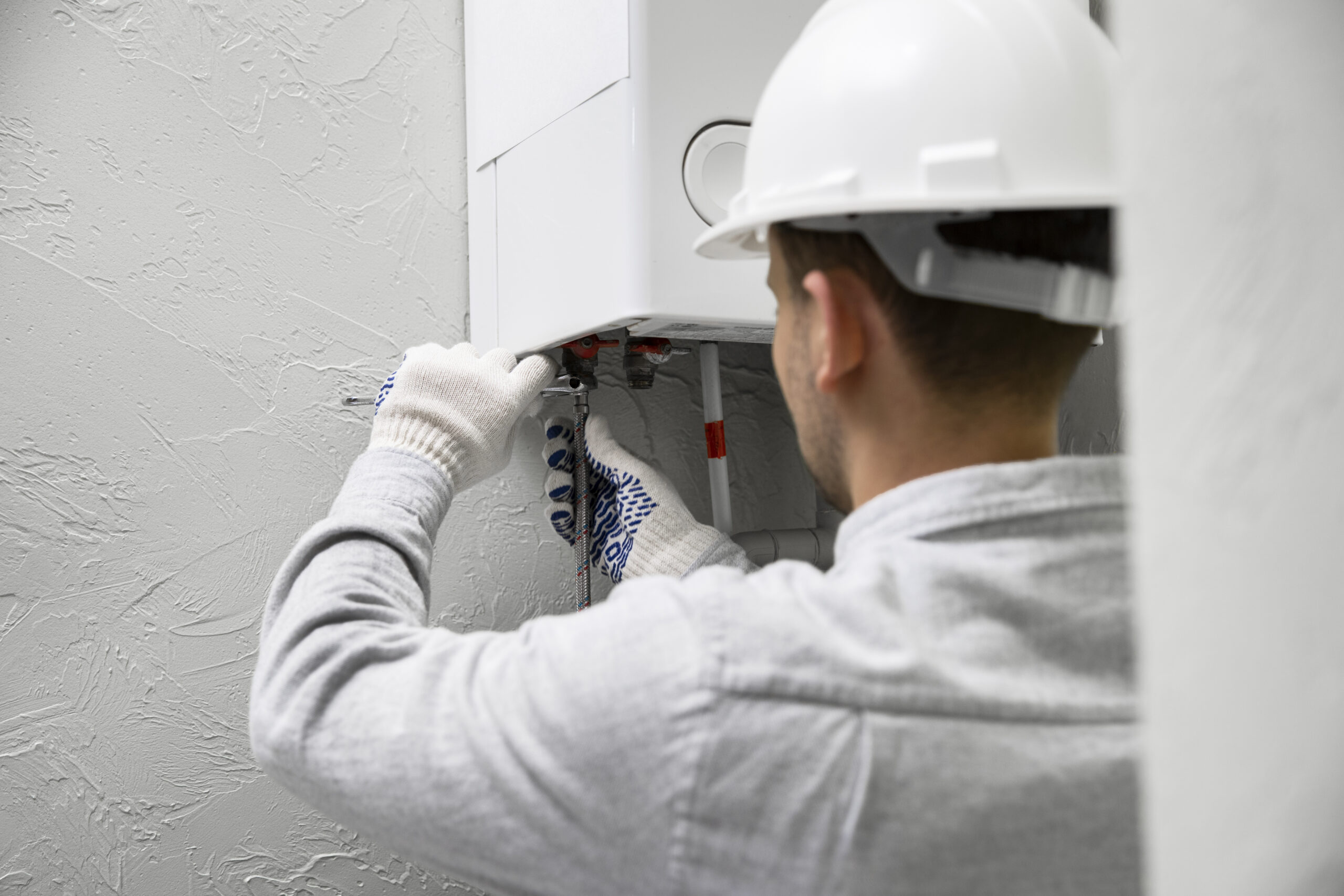
Scheduled installations let technicians do thorough work. They inspect plumbing connections, check electrical capacity, add proper insulation around pipes and tanks, test pressure relief valves, and verify recovery rates match household demand. Costs stay transparent and predictable, avoiding the premium charges that come with emergency work—a significant advantage when budgeting for water heater replacement in Dubai.
Best part? Hot water keeps flowing throughout the process. No disrupted routines, no cold showers, no household stress.
Winter Lessons UAE Homeowners Learn Each Year
Every winter, similar stories repeat across UAE homes. That 10-year-old water heater that “seemed fine” suddenly isn’t. Sediment buildup chokes efficiency. The system sized for two people now serves a family of four and can’t keep up. Emergency replacements cost substantially more than planned upgrades, while the replacement often gets picked based on “what’s in stock” rather than “what works best.”
These patterns keep happening because people wait for total failure instead of planning water heater replacement in Dubai before winter strain begins.
How Winter Changes Water Heater Performance
Winter doesn’t just mean more hot water usage—it changes the basic math. During summer months, inlet water might enter the tank at 30-35°C. Come winter, that same water enters at 18-22°C. The desired output temperature? Still around 50-60°C.
That bigger temperature gap forces heating elements to run longer during every cycle. More runtime means more strain on elements, thermostats, and tank linings. A system already compromised by age or mineral deposits can’t handle the extra workload.
This is why a heater that felt perfectly adequate in September suddenly feels like it’s running constantly and never quite catching up by December.
Emergency Replacement vs Planned Upgrade: The Practical Difference
Emergency replacement is pure reaction—happening under pressure, costing more, offering fewer options, getting rushed through installation. Planned upgrades flip this entirely. They’re proactive moves allowing proper sizing, efficiency comparisons, thorough installation, and equipment built for long-term reliability.
Emergency work restores hot water fast. Planned upgrading ensures comfort, safety, and efficiency throughout the six-month winter period and beyond.
Hidden Risks of Emergency Replacement
Beyond obvious higher costs and inconvenience, emergency replacement carries risks that don’t show up immediately. Rushed sizing often gets it wrong—too small for growing families, oversized for smaller households. Safety inspections get abbreviated. Insulation gets skipped to save time. Integration with existing plumbing happens quickly rather than carefully.
These compromises might not break anything on day one, but they affect performance, push up energy bills, and create safety concerns that emerge months later.
Smart Winter Planning for UAE Homes
The smart approach? Plan the upgrade before winter arrives—ideally during September or early October. This timing gives homeowners room to assess their current unit’s age and condition, review electricity bills to spot efficiency drops, and address practical factors like ventilation and electrical capacity.
Planning ahead means the new system is installed and tested before winter demand hits in late October, not failing under pressure in January.
Why Planned Upgrades Deliver Better Long-Term Value
Planned upgrades deliver measurable benefits: lower monthly energy consumption, consistent hot water pressure throughout the day, proper safety compliance, and equipment that actually reaches its rated lifespan. Operating costs drop. The stress of winter breakdowns disappears.
Rather than reacting to crises, homeowners stay in control of comfort, expenses, and system performance.
Final Thoughts: Winter Rewards Preparation
Dubai’s winter runs nearly six months—plenty of time for an aging or neglected water heater to fail. Emergency replacements solve the immediate problem but usually create long-term headaches. Planned upgrades deliver reliability, efficiency, and genuine peace of mind.
For homeowners, the takeaway is straightforward: the best water heater replacement happens on your schedule—not when the system picks the worst moment to stop working. Planning ahead locks in consistent hot water, controlled costs, and dependable performance across the entire winter season.