Commercial
Understanding Commercial Water Heater Energy Efficiency Ratings
How energy efficiency ratings affect commercial water heater decisions.
Published · Updated
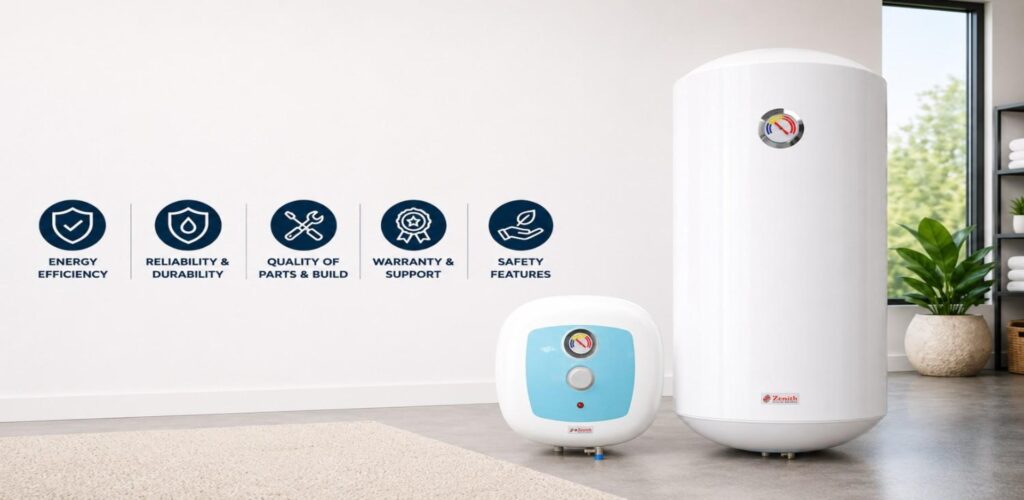
Article overview
When it comes to selecting a commercial water heater, understanding energy efficiency ratings is crucial for making informed decisions. Water heater energy efficiency not only impacts operational costs but also affects overall environmental sustainability. With the increasing emphasis on energy conservation, businesses must prioritize energy-efficient solutions that align with both economic and ecological goals. Let’s delve into the various energy efficiency ratings, their significance, and how they can help you choose the right commercial water heater for your needs.
What Are Energy Efficiency Ratings?
Energy efficiency ratings are indicators of how effectively a water heater converts energy into hot water. These ratings help consumers compare different models and brands based on their performance. Common metrics used to evaluate water heater energy efficiency include:
How Does a Commercial Water Heater System Work?
Energy Factor (EF): This is a measure of a water heater’s overall efficiency. It evaluates how much hot water is produced for each unit of fuel consumed, while also considering losses from heat and cycling
Uniform Energy Factor (UEF): Similar to the Energy Factor (EF), the Uniform Energy Factor (UEF) provides a reliable standard for evaluating the energy efficiency of water heaters. It offers a more accurate representation of performance by accounting for varying water heating demands.
Why Energy Efficiency Matters
The importance of energy efficiency in water heaters, key factors:
- Cost Savings: Higher energy efficiency ratings often translate to lower utility bills. While energy-efficient models may have a higher upfront cost, they can save businesses significant amounts in the long run.
- Environmental Impact: Choosing energy-efficient water heaters contributes to reduced carbon emissions and a lower environmental footprint. Businesses are increasingly being held accountable for their energy consumption, making eco-friendly solutions not just beneficial but necessary.
- Regulatory Compliance: Many regions have regulations that require businesses to meet certain energy efficiency standards. Non-compliance can result in fines and other penalties, making it essential to understand and adhere to these requirements.
- Improved Performance: Energy-efficient water heaters often provide more consistent performance. This reliability is vital for businesses that depend on hot water for daily operations, such as restaurants, hotels, and hospitals
Evaluating Water heater Energy Efficiency Ratings
When evaluating energy efficiency ratings, keep the following factors in mind:
Different types of water heaters, including tank, tankless, and heat pump models, have varying energy efficiency ratings. For instance, tankless water heaters typically offer higher energy efficiency than traditional tank models because they heat water on demand rather than maintaining a large volume of hot water.
- Type of Water Heater
- Fuel Source
- Size and Capacity
- Installation Quality
The Role of Technology in Energy Efficiency
Technological advancements have played a significant role in improving the efficiency of water heater energy. Innovations such as smart controls and better insulation materials are becoming standard features in modern models. These technologies not only enhance performance but also provide users with data to make informed decisions about energy consumption.
Smart thermostats allow users to monitor and adjust water heater energy settings remotely. This flexibility enables businesses to optimize energy use, reducing costs during off-peak hours or when the facility is closed.
- Smart Thermostats
- Improved Insulation
- Variable Speed Motors
Choosing the Right Energy-Efficient Water Heater
Selecting the appropriate water heater requires a comprehensive evaluation of your business’s requirements and current systems. Here are some steps to consider:
- Evaluate Your Hot Water Needs: Determine the peak demand for hot water during your busiest times. This information will help you select a model with adequate capacity.
- Research Different Models: Look for models with high energy efficiency ratings. Compare features and benefits, and read customer reviews to measure performance.
- Consult with Professionals: Engage with HVAC professionals who can provide insights into the best options for your specific requirements.
- Consider Total Cost of Ownership: Assess not just the initial purchase price but also operating costs over time. An energy-efficient model may have a higher cost but will save money in the long run.
- Stay Informed About Regulations: Be aware of local regulations regarding efficiency in commercial water heaters energy. Ensure that your selected model complies with these standards.
Conclusion
Understanding energy efficiency ratings in commercial water heaters is essential for making informed choices that benefit both your business and the environment. By prioritizing energy-efficient solutions, businesses can lower operational expenses, meet regulatory requirements, and improve overall performance.
At Zenith, we are committed to providing top-notch guidance on selecting the best energy-efficient water heaters for your business needs. Our experts are ready to assist you in understanding the intricacies of energy ratings and choosing a water heater that aligns with your operational goals. Let us help you make the right choice for a sustainable and cost-effective future!
Explore commercial water heaters or ask Zenith for product and installation guidance.