Commercial
What Facility Managers Should Know About Commercial Water Heater Lifespan
How maintenance, water quality control, efficiency upgrades, and replacement planning affect commercial water-heater lifespan in UAE facilities.
Published · Updated
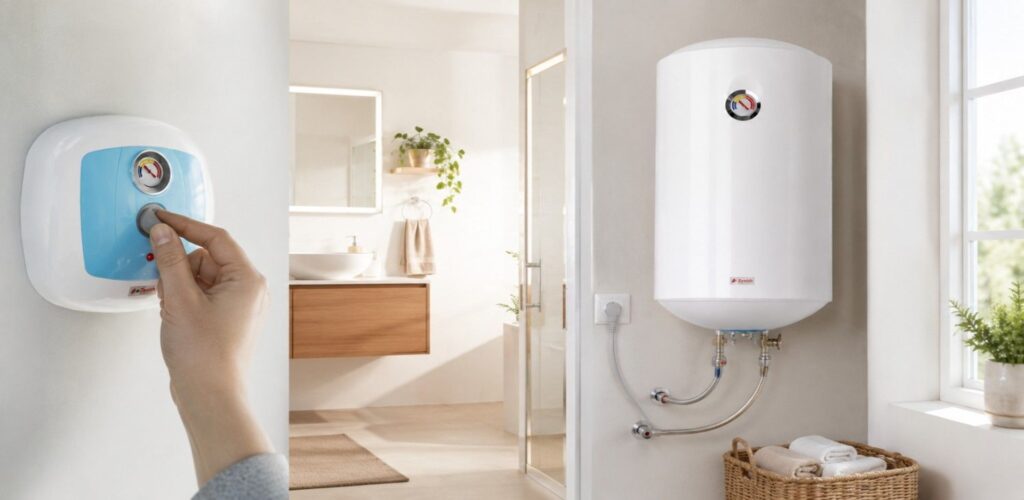
Article overview
In commercial buildings, hot water is often treated as a background utility—something that simply needs to work. Whether it’s a hotel, hospital, labour accommodation, fitness centre, restaurant, office tower, or residential complex, occupants expect a reliable supply of hot water every day.
The challenge for facility managers is that water heating systems rarely fail without warning. Performance usually declines gradually through scale buildup, corrosion, heavy usage, and ageing components. When these issues go unnoticed, they can lead to unexpected breakdowns, operational disruptions, expensive repairs, and rising energy costs.
How Long Do Commercial Water Heaters Typically Last?
Commercial water heater lifespan depends on the system type, operating conditions, maintenance quality, and water characteristics.
However, these figures are often based on ideal operating environments.
- Traditional storage tank systems generally last between 8 and 12 years
- High-efficiency tankless systems can last 15 to 20 years or more
- Commercial boiler-based water heating systems often exceed 20 years with proper maintenance
- Solar-assisted commercial systems can operate for 15 years or longer when both the thermal and backup components are maintained correctly
Why Commercial Water Heater Lifespans Are Different in the UAE
Many global lifespan estimates do not fully reflect Gulf operating conditions.
Commercial buildings across the UAE face a combination of factors that accelerate wear inside water heating systems.
- Mineral-rich desalinated water
- High ambient temperatures
- Continuous operational demand
- Heavy occupancy loads
- Coastal humidity and corrosion exposure
- Limited downtime for maintenance
The Biggest Threat: Scale Buildup from Hard Water
One of the most common causes of premature failure is mineral scale accumulation.
Although desalinated water is treated before distribution, it still contains dissolved minerals that become problematic when heated repeatedly.
- Calcium and magnesium separate from the water
- Minerals settle on heating surfaces
- Limescale gradually forms inside tanks and heat exchangers
- Higher energy consumption
- Longer heating cycles
- Overheated heating elements
- Increased thermal stress
- Reduced equipment lifespan
Why Corrosion Is a Major Lifecycle Issue
Commercial water heaters operate under constant exposure to heat, pressure, and water chemistry.
To protect the tank, most systems use sacrificial anode rods designed to attract corrosive elements before they reach the tank walls.
- Corrosion attacks the tank directly
- Structural integrity begins to weaken
- Rust forms internally
- Leaks become inevitable
The Impact of Continuous Commercial Demand
Commercial systems rarely experience the recovery periods that residential systems enjoy.
often require hot water throughout the day and night.
- Hotels
- Hospitals
- Labour accommodations
- Fitness centres
- Restaurants
- Staff housing complexes
- Weld fatigue
- Component wear
Warning Signs Facility Managers Should Never Ignore
Commercial water heaters often provide clear warning signals before major failures occur.
Ignoring these signs usually increases repair costs and operational risks.
Rust-Coloured Water
This often signals advanced wear inside the system.
- Internal corrosion
- Anode rod depletion
- Tank deterioration
Rumbling or Popping Sounds
Unusual noises are commonly caused by hardened sediment trapped at the bottom of the tank.
As water becomes trapped beneath the scale layer, it overheats and boils in small pockets.
- Popping sounds
- Rumbling noises
- Increased thermal stress
Frequent Component Failures
However, repeated failures within a short period often indicate broader system deterioration rather than isolated component problems.
- thermostats
- heating elements
- pressure valves
Visible Water Leaks
Water pooling around the base of a commercial heater should always be treated seriously.
A leak from fittings may be repairable.
Rising Energy Consumption
A sudden increase in energy use without corresponding occupancy growth may indicate:
In many cases, energy data reveals declining performance before physical damage becomes obvious.
- heavy scale buildup
- inefficient heating elements
- insulation failure
- aging equipment
Maintenance Strategies That Extend Lifespan
For facility managers, maintenance is not simply about avoiding breakdowns. It is one of the most effective ways to maximise asset value.
Annual Tank Flushing
Flushing removes accumulated sediment before it hardens into thick scale deposits.
In facilities with heavy usage or challenging water conditions, more frequent flushing may be beneficial.
Regular Anode Rod Inspections
Anode rods serve as the first line of defence against corrosion.
Routine inspection and replacement help prevent premature tank failure.
Pressure Relief Valve Testing
Temperature and pressure relief valves are critical safety components.
Routine testing helps ensure proper operation and prevents pressure-related risks.
Water Quality Management
Many commercial facilities benefit from:
Reducing mineral content before water enters the heating system can significantly extend equipment life.
- water softeners
- scale inhibitors
- filtration systems
Professional System Audits
before they develop into major failures.
- hidden leaks
- efficiency losses
- pressure abnormalities
- early-stage corrosion
Repair or Replace? Making the Right Decision
One of the most common challenges facility managers face is determining when repair no longer makes financial sense.
Generally, repair remains practical when:
- The system is relatively young
- The issue involves replaceable components
- repair costs remain low compared to replacement
- The system exceeds its expected service life
- Structural corrosion is present
- Tank leaks develop
- repair costs approach replacement costs
- Energy efficiency has declined significantly
Why Lifecycle Planning Matters More Than Emergency Repairs
A commercial water heating system is not simply a maintenance asset—it is part of the building’s operational infrastructure.
Waiting until a breakdown occurs often results in:
- guest satisfaction
- tenant comfort
- employee productivity
- hygiene standards
- regulatory compliance
- emergency procurement
- Rushed installation decisions
- higher labour costs
Final Thoughts
Commercial water heater lifespan depends on far more than age alone. Water quality, maintenance practices, operating demand, environmental conditions, and system design all influence how long equipment will perform reliably.
For facilities operating water heaters in the UAE, these factors become even more important due to hard water conditions, elevated temperatures, and continuous commercial demand.
Explore commercial water heaters or ask Zenith for product and installation guidance.