Water Heating
Perfect Guide for Your Water Heater Replacement | Zenith
How to recognize signs that a water heater replacement may be needed.
Published · Updated
Article overview
Your water heater stands as a crucial guardian of comfort, ensuring warm showers and cozy baths even amidst the desert heat. In a city where time is of the essence, every moment counts. Imagine the inconvenience of waking up to a chilly shower or the discomfort of hosting guests without a steady supply of hot water.
Your water heater, often tucked away in some corner of your home, typically goes unnoticed until it begins to falter. By spotting the signs early, you can avoid unexpected disruptions and maintain your comfort.
Understanding Water Heater Lifespan
Traditional tank water heaters consist of a large insulated tank that stores and heats water until it’s needed. These units typically have a lifespan ranging from 5 to 6 years. However, this estimate can vary based on several factors:
Tankless water heaters, also known as on-demand or instantaneous water heaters, heat water directly as it passes through the unit without the need for a storage tank. These units typically have a longer lifespan compared to traditional tank water heaters, ranging from 15 to 20 years. The extended lifespan of tankless water heaters can be attributed to several factors:
- Usage Patterns: The frequency and volume of hot water usage can impact the lifespan of a tank water heater. Homes with large families or high hot water demand may see shorter life spans due to increased wear and tear.
- Maintenance: Regular maintenance, such as flushing the tank to remove sediment buildup and checking for leaks, can prolong the lifespan of a tank water heater. Neglecting maintenance tasks can accelerate deterioration and shorten the unit’s lifespan.
- Water Quality: Hard water, which contains high levels of minerals like cal corrosion inside the tank. Installing a water softener or using a descaling agent can mitigate these effects and extend the lifespan of the water heater.
- Less Wear and Tear: Tankless water heaters operate on-demand, heating water only when needed. This reduces the amount of time the unit is active compared to tank water heaters, resulting in less wear and tear on components.
- Minimal Maintenance: Tankless water heaters require less maintenance compared to tank water heaters since they don’t store water and are less susceptible to sediment buildup. However, periodic flushing and inspection are still recommended to ensure optimal performance.
- Water Quality Impact: While tankless water heaters are less prone to sediment buildup, water quality can still affect their performance and longevity. Hard water can lead to mineral deposits in the heat exchanger, reducing efficiency over time. Installing a water softener or using a descaling agent can help mitigate these effects.
Signs It's Time for Water Heater Replacement
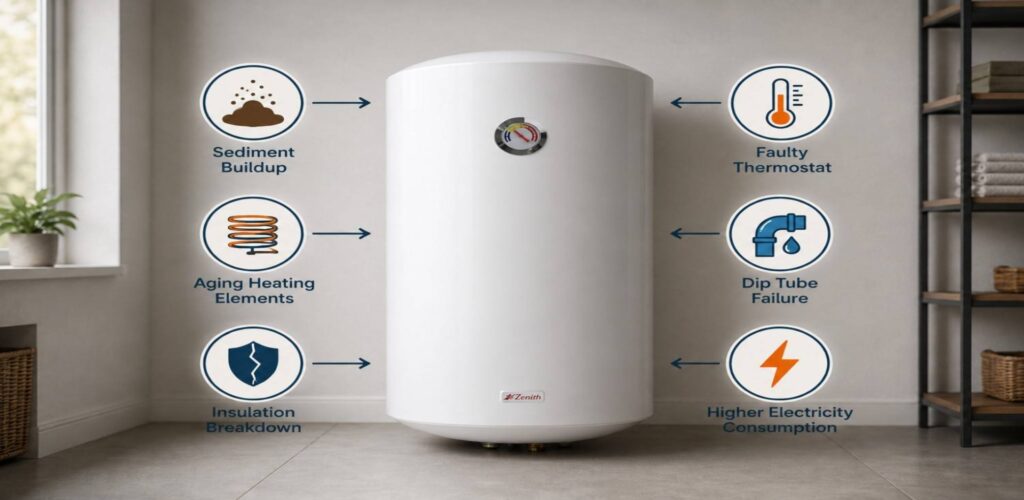
Your water heater plays a crucial role in daily comfort, but like any appliance, it has a finite lifespan. Recognizing the signs that indicate the need for water heater replacement can prevent unexpected disruptions and ensure continued hot water supply. Here are the key indicators:
Water heaters typically last between 05 to 06 years for traditional tank models and up to 20 years for tankless models. As they age, their efficiency diminishes, and reliability decreases. Even if your unit is still functioning near the end of its lifespan, consider replacing it to avoid potential breakdowns that could lead to inconvenience.
Exploring Water Heater Replacement Options
When considering water heater replacement, it’s essential to explore different options to find the best fit for your household’s needs. Here are key factors to consider:
Tank Water Heaters: Traditional tank water heaters store hot water in a large insulated tank. They generally have lower upfront costs but occupy more space and have a lifespan of about 8 to 12 years. These models continuously heat water, which can lead to standby heat loss and potentially higher energy bills.
- Tank vs. Tankless Water Heaters
- Energy Efficiency
- Capacity and Size
Tips for a Smooth Water Heater Replacement Process
Replacing your water heater involves critical steps to ensure a seamless transition and optimal performance. Here are key tips for a smooth water heater replacement process:
Following these tips ensures a smooth and efficient water heater replacement process, enhancing your home’s comfort and efficiency.
- Professional Assessment: Before replacing your water heater, consult a licensed plumber for a thorough inspection. They will evaluate the condition of your current unit and recommend suitable water heater replacement options based on your household’s needs.
- Budget Consideration: Plan for upfront costs, installation expenses, and long-term savings when budgeting for a new water heater. Compare different types (e.g., traditional tank vs. tankless) and prioritize energy-efficient models to maximize savings over time.
- Scheduled Replacement: Timing is crucial. Replace your water heater before it fails completely to avoid emergency situations. Choose a convenient time when hot water demand is lower to minimize disruptions at home.
Benefits of Upgrading to a New Water Heater
- Improved Efficiency: Modern water heaters are designed to be more energy-efficient, reducing your carbon footprint and lowering utility bills. Tankless water heaters, in particular, offer on-demand hot water, eliminating standby heat loss associated with traditional tank models.
- Enhanced Comfort: Enjoy consistent hot water temperatures and improved water pressure with a new water heater. Say goodbye to lukewarm showers and hello to a more comfortable bathing experience for you and your family.
- Long-Term Savings: While the initial cost of a new water heater may seem daunting, consider it an investment in your home’s comfort and efficiency. With lower energy bills and fewer repair costs, a new unit can pay for itself over time.
- Increased Home Value: Upgrading to a new, energy-efficient water heater can boost your home’s resale value. Potential buyers appreciate modern amenities that offer convenience and savings on utility costs.
Conclusion
Your water heater is an unsung hero, providing comfort and convenience daily. Recognizing signs of its declining condition empowers you to make proactive decisions to ensure uninterrupted hot water supply. By understanding lifespan factors, recognizing signs indicating replacement, exploring available options, and following replacement tips, you can navigate the process seamlessly.
At Zenith Water Heater, we’re committed to enhancing your comfort with reliable, energy-efficient water heating solutions tailored to Dubai’s climate and lifestyle. Contact us today to explore our range of water heaters and make the transition to a more efficient, hassle-free hot water experience.
Explore residential water heaters or ask Zenith for product and installation guidance.