

Water heaters are easy to forget about—they sit in a corner doing their job until suddenly, they stop working. The frustrating part? Most breakdowns come with plenty of warning signs beforehand. Ignoring these early signals can lead to flooded rooms, energy bills that make you wince, and genuine safety hazards. For homeowners dealing with hard water and constant demand throughout the year, knowing when water heater replacement in Dubai becomes critical can save a lot of money and stress.
Several symptoms scream that a water heater has reached the end of its useful life. Tank leaks, rusty water, strange banging noises, constant breakdowns, and hot water that disappears too quickly—these aren’t minor inconveniences. They’re red flags pointing to serious internal problems. Understanding what’s actually going wrong helps make smart decisions instead of gambling on a unit that’s already failing.
Water Leaking from the Tank – Don’t Ignore This
Seeing water pooled around the base of the heater? Moisture on the tank itself? Active dripping? That’s not something to put off dealing with. Small valve leaks or loose pipe connections can sometimes be fixed. Tank leaks are a completely different story—they almost always mean the tank has corroded through or developed cracks.
What’s actually happening
Water carries minerals. Oxygen gets in. Together, they slowly corrode the steel from the inside out. Once the metal gets weak enough, small cracks form, internal pressure has nowhere to go safely, and the tank can’t hold heated water anymore without leaking.
Why waiting makes things worse
Tank leaks don’t get better. Welding doesn’t work safely. Patches are temporary Band-Aids at best. Putting off water heater replacement in Dubai once leaking starts risks sudden ruptures, rooms flooding without warning, electrical problems, and real damage to the building structure. There’s really only one safe move here—replace it now.
Rusty or Discolored Hot Water – Your Tank Is Corroding
Hot water coming out brown, yellow, or rust-colored, while cold water looks fine? That rust is coming from inside the heater tank. This means the internal corrosion has gotten serious.
Why tanks rust from the inside
There’s a metal rod inside every tank called an anode rod. Its whole purpose is to corrode instead of the tank itself—basically a sacrificial part. But once that rod corrodes completely, the steel tank starts rusting right away. Rust flakes then mix into the hot water supply.
Why this matters beyond aesthetics
Rusty water can harbor bacteria, taste metallic, irritate skin, and contaminate pipes downstream. Once rust appears regularly in hot water, water heater replacement in Dubai shouldn’t be treated as something to handle eventually—it needs attention now.
Loud, Unusual Noises – Sediment Is Cooking Your Tank
Hearing rumbling, popping, cracking, or banging from the heater? That’s sediment buildup—extremely common in areas with hard water.
What creates these sounds
Minerals like calcium and magnesium sink to the bottom of the tank and harden into a crusty layer over time. When the heating element fires up, water trapped under this layer boils aggressively. Steam bubbles force their way through the hardened mineral crust, making all that noise. Meanwhile, the tank’s metal overheats and weakens from the constant stress.
What it cost long-term
Heating elements work overtime, efficiency drops, electricity bills climb, and the tank eventually fails. Once sediment noise gets loud, repairs might quiet things down temporarily. But in most situations, water heater replacement Dubai ends up being the smarter financial call.
Age Matters More Than Most People Realize
Standard residential water heaters last about 8–10 years for tank models and maybe 12–15 years for tankless systems. Past that timeframe, things start breaking down—internal parts weaken, insulation stops working as well, corrosion becomes inevitable, and efficiency takes a nosedive.
If the unit is getting close to that age and showing other problems too, replacing it before it fails completely prevents getting stuck without hot water during the worst possible time.
Hot Water Running Out Too Fast or Not Heating Properly
When hot water disappears faster than it used to—or doesn’t get hot at all—something inside has failed. Could be burned-out heating elements, a dead thermostat, sediment acting like insulation, or corrosion damage inside.
Older units tend to fail completely once they reach this point. Swapping out individual parts might get things working again briefly, but the overall reliability stays questionable. That’s when water heater replacement services in UAE make more sense than throwing money at repairs that won’t last.
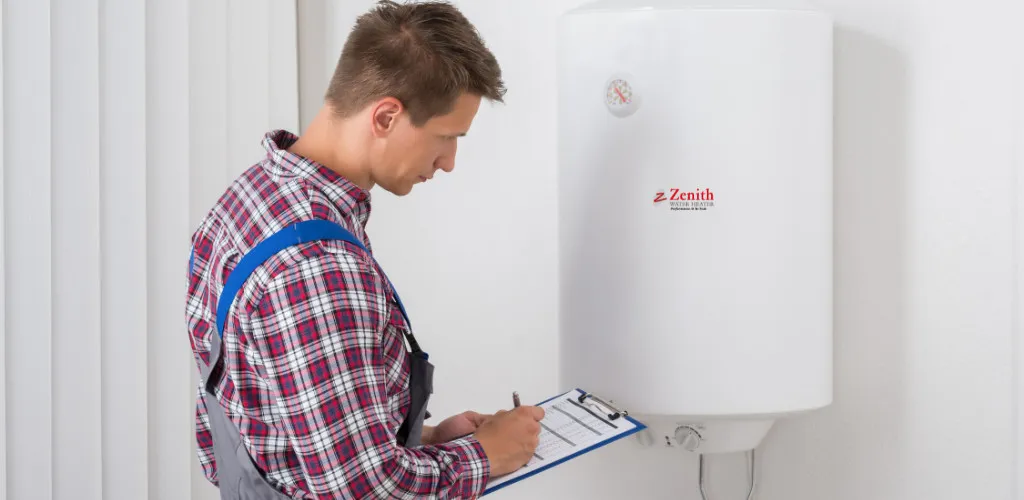
Constant Repairs and Electric Bills That Keep Climbing
When the repair technician becomes a regular visitor and the electricity bill keeps going up despite using the same amount of hot water, something’s wrong. The heater isn’t holding heat properly, efficiency has tanked, and the heating elements are working constantly just to maintain temperature.
Here’s a useful guideline: if repair costs over a year add up to 35-40% of what a new system costs, replacement is the better financial decision. Modern water heaters use far less electricity while performing better, making water heater replacement in Dubai an investment that pays back over time.
The Silent Killers: Sediment and Corrosion
Mineral Sediment Slowly Cooks Everything
Hard water minerals form a thick insulating layer that blocks heat transfer, forces the system to run longer heating cycles, stresses the metal constantly, and speeds up failure.
Internal Corrosion Destroys Structure
Once the protective anode rod is gone, the tank steel rusts fast. Microscopic leaks develop. The structure weakens until it can’t hold pressure safely. These two problems work together to destroy water heaters from the inside, usually long before there’s any visible sign of trouble on the outside.
Why Waiting Until Complete Failure Is a Bad Bet
Delaying replacement after clear warning signs show up risks emergency flooding situations, electrical shorts, mold taking hold, damaged furniture and flooring, and losing hot water right when it’s needed most.
Getting ahead of the problem through professional water heater replacement services in UAE means controlled installation on your schedule, choosing the right capacity for the home, better safety, lower running costs, and warranty coverage that actually matters.
Final thoughts: Act Before the Water Heater Forces Your Hand
Water heaters almost never fail out of nowhere. Leaks, rust, noise, age, inconsistent temperatures, piling repair bills, poor efficiency—these are all the system waving red flags. Waiting for a total breakdown isn’t smart. Acting while replacement can still be planned and budgeted makes life easier.
Seeing two or more of these warning signs? Water heater replacement in Dubai isn’t something to think about later—it needs to happen soon.
Modern water heaters offer better safety features, use less power, maintain pressure better, control temperature more consistently, and provide real peace of mind. Reliable hot water isn’t a luxury—it’s essential for daily life. Replacing a failing unit before it fails completely protects the home, keeps energy costs reasonable, and eliminates safety risks.