

The UAE is often described as a natural fit for solar energy. Long hours of sunlight, rising energy costs, and strong demand for hot water make solar systems a practical investment for homes and commercial buildings alike.
But sunlight alone does not determine performance.
In the Emirates, climate conditions play a decisive role in how solar systems behave over time. Extreme heat, airborne dust, coastal humidity, and shifting usage patterns all influence efficiency and durability. For Solar Water Heaters, understanding these environmental pressures is essential for delivering consistent output year after year.
Solar works well in the UAE — but only when systems are designed and maintained with local conditions in mind.
Heat: A Benefit That Also Brings Pressure
Summer temperatures regularly exceed 45°C across many parts of the country. For solar thermal systems, this is not necessarily a disadvantage.
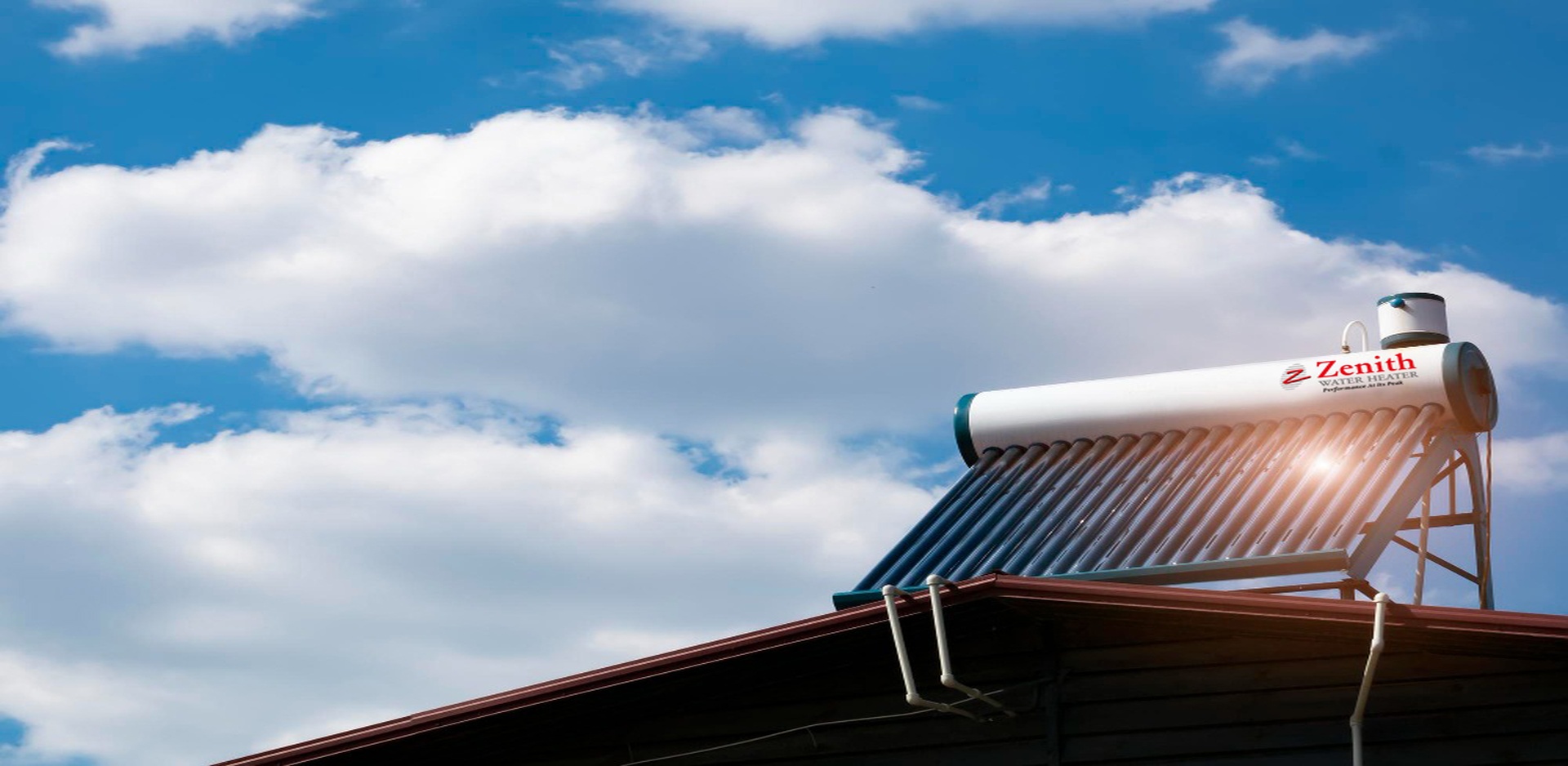
Unlike photovoltaic panels that lose efficiency as temperatures rise, solar collectors are built to absorb heat. During peak summer, Solar Water Heaters often reach target temperatures quickly, and backup heaters may operate far less frequently.
However, prolonged exposure to rooftop heat creates a different challenge. Materials expand and contract daily. Rubber seals age faster. Insulation weakens if not properly rated for high temperatures. Over time, these small stresses can affect system reliability.
This is why solar systems intended for the UAE require higher thermal tolerance than models used in moderate climates. Durability is just as important as efficiency.
Seasonal Patterns Across the Emirates
The UAE does not experience extreme winters, which helps maintain stable solar output throughout the year. Even in cooler months, sunlight levels remain strong enough to support hot water generation.
In fact, winter can sometimes offer balanced operating conditions. Cooler ambient temperatures reduce system strain while still allowing sufficient thermal gain.
During summer, output remains high, but continuous exposure increases wear on components. Dust storm periods introduce another variable. When collectors are not cleaned regularly, performance gradually drops — often without immediate signs of malfunction.
Instead of sudden failure, efficiency tends to decline quietly. Increased backup heating is usually the first indicator.
Dust: A Constant Factor, Not an Occasional Event
In desert climates, dust is unavoidable.
Fine particles settle on collector surfaces and reduce sunlight absorption. In coastal cities such as Dubai and Abu Dhabi, humidity can cause dust and salt to bond more firmly to glass surfaces, forming a layer that wind alone cannot remove.
The impact is rarely dramatic at first. Instead, performance decreases slowly:
- Water may take longer to heat
- Backup systems activate more frequently
- Energy savings reduce without obvious system faults
For Solar Water Heaters, routine cleaning is not cosmetic maintenance. It directly affects thermal efficiency and system contribution.
Ignoring dust does not stop a system from working — it simply lowers how well it works.
Humidity and Coastal Exposure
Humidity introduces long-term material considerations. While moist air slightly diffuses sunlight, the larger concern lies in corrosion.
Metal components exposed to salty air degrade faster if not properly treated. Sensors, connectors, and joints require sealing and protective coatings to prevent premature wear.
Modern systems designed for the UAE incorporate corrosion-resistant materials and reinforced insulation. Even so, periodic inspections remain necessary to identify early signs of deterioration before they impact performance.
Installation Alone Is Not Enough
A well-installed system provides a strong starting point. Long-term performance, however, depends on continued oversight.
Efficiency is influenced by several practical factors:
- Correct collector angle based on local latitude
- Proper airflow to avoid trapped heat
- Cleaning intervals aligned with environmental exposure
- Monitoring of water temperatures and auxiliary heating usage
For Solar Water Heaters, performance loss tends to be gradual rather than immediate. Without monitoring, systems may operate for years below optimal efficiency, increasing electricity or gas consumption without drawing attention.
Maintenance protects both energy savings and equipment lifespan.
Design Details That Matter in Desert Conditions
Solar systems that perform reliably in the UAE typically share specific characteristics:
- Durable thermal coatings designed for intense sunlight
- High-quality insulation to minimise night-time heat loss
- Corrosion-resistant metals suitable for coastal regions
- Storage tanks sized according to realistic daily demand
When these design choices are addressed from the outset, systems remain stable despite heat, dust, and humidity.
Not all solar installations are equal — climate-specific engineering makes a measurable difference.
Residential and Commercial Performance
Both residential villas and large commercial facilities benefit from properly designed Solar Water Heaters.
Hotels, hospitals, labour accommodations, gyms, and residential compounds with consistent demand often achieve solar contribution levels between 70% and 85% annually. For homeowners, the result is steady hot water supply with reduced reliance on electric or gas heating.
The key variable is not climate alone — it is how well the system matches actual usage patterns.
Practical Measures to Protect Long-Term Output
Maintaining performance in the UAE involves simple but consistent actions:
- Size systems according to verified hot water demand
- Inspect collectors and piping at scheduled intervals
- Clean surfaces safely and appropriately
- Replace worn seals, valves, or insulation before efficiency drops
When these steps are followed, solar systems continue delivering reliable output even in harsh environmental conditions.
Climate Awareness Drives Solar Success
The UAE’s environment presents both opportunity and responsibility. Strong sunlight supports high solar potential, but heat, dust, and humidity shape how systems perform over time.
For Solar Water Heaters, long-term efficiency depends on three factors: climate-adapted design, durable materials, and structured maintenance. Choosing the best water heater in UAE means selecting systems engineered specifically for local heat, water quality, and usage patterns, ensuring better performance and longer service life.
When these elements are combined, solar hot water systems provide dependable performance, measurable cost savings, and extended service life across the Emirates.
Solar energy performs exceptionally well in the UAE — not simply because the sun shines, but because systems are engineered to work with the climate, not against it.